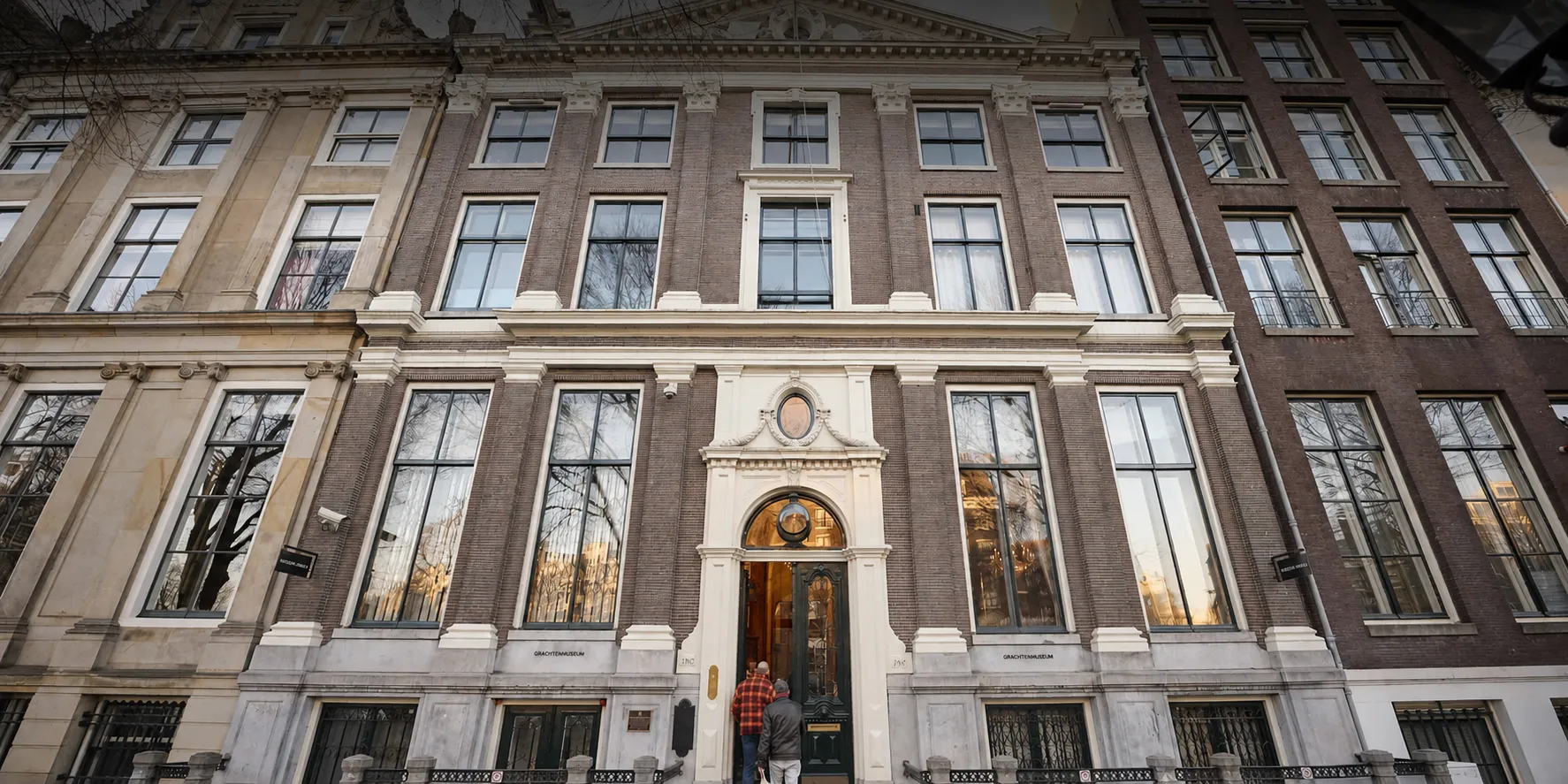
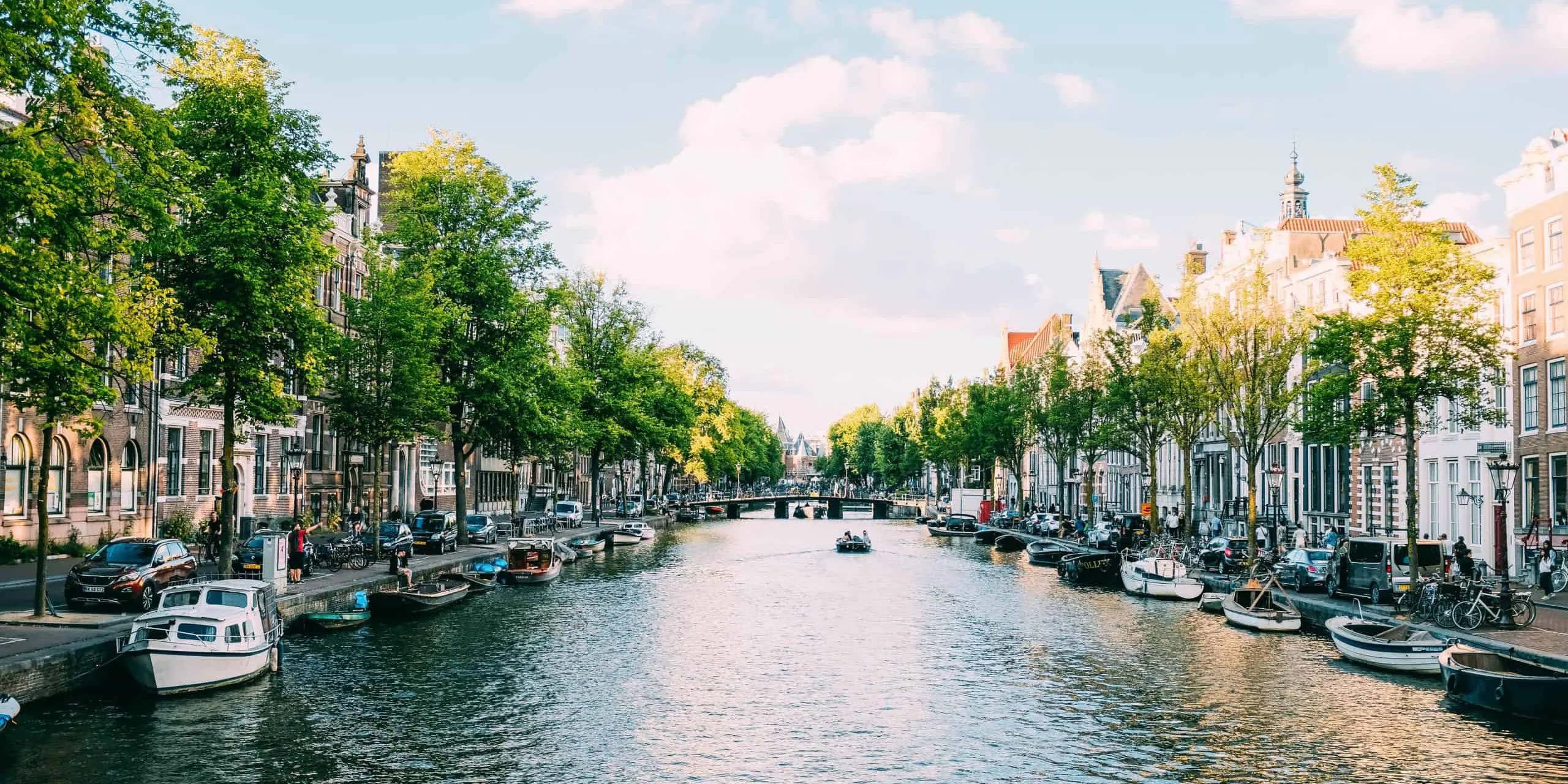
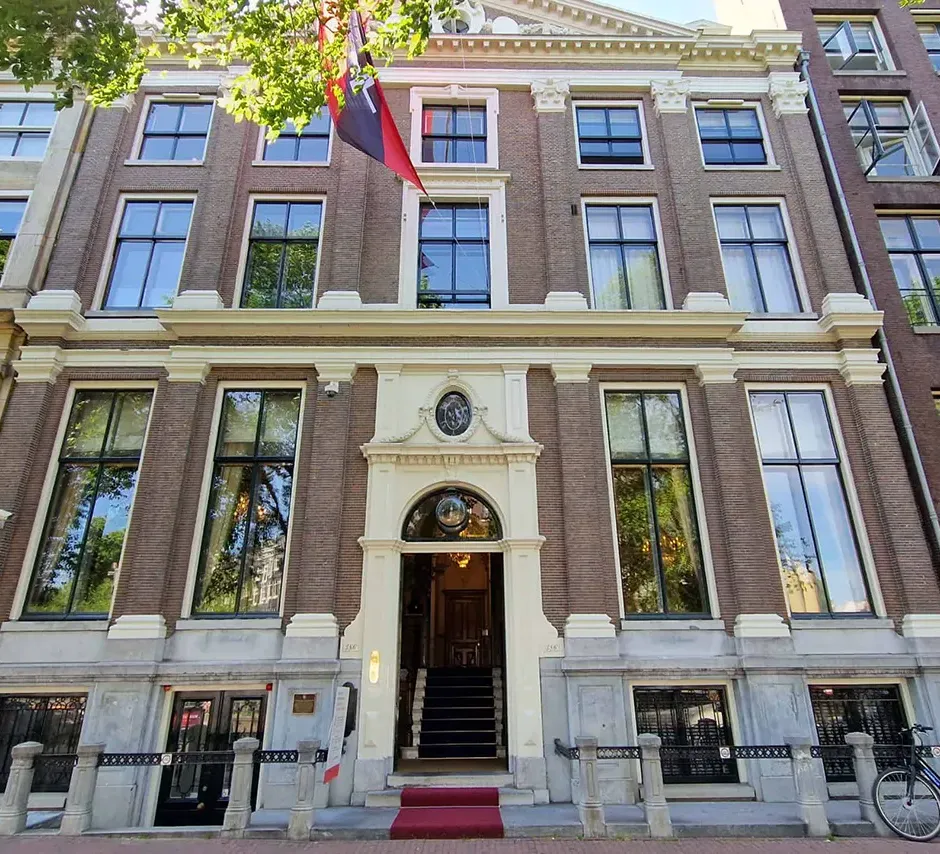
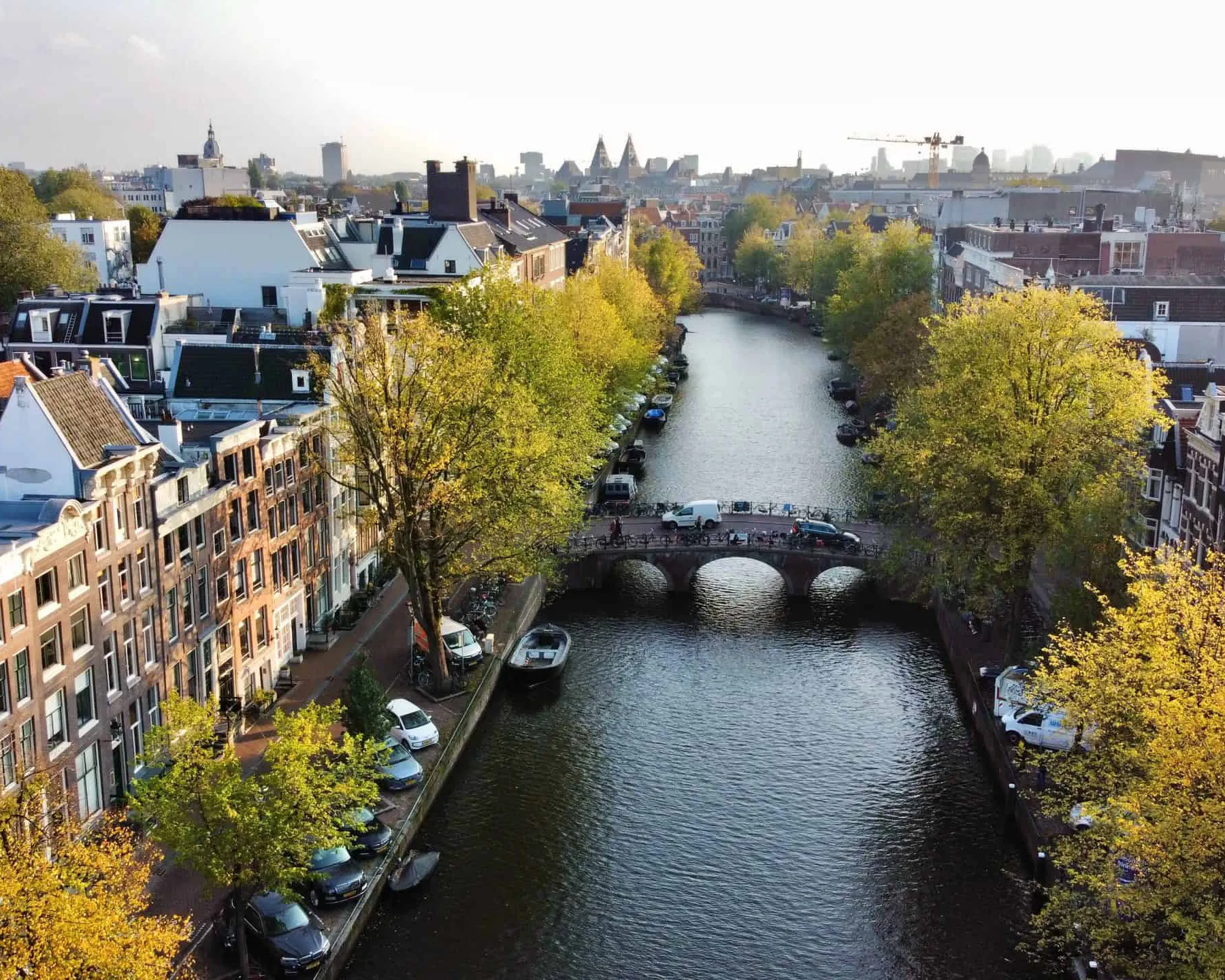
Would you like to see inside even more canal houses after visiting the Museum of the Canals? Then visit the
following house museums and cultural institutions on the Amsterdam canals. The period rooms and salons with wall
and ceiling paintings, the interior, and the gardens provide an interesting insight into the history of
living on the Amsterdam canals.
Museum Van Loon
In the heart of the Amsterdam canal belt lies Museum Van Loon, a magnificent canal house that was
designed by architect Adriaen Dortsman in 1672. Ferdinand Bol, a pupil of Rembrandt, was the
first resident of the canal house. The interior of the house still exudes the atmosphere of the
prosperity of the city at that time. In addition, Museum Van Loon also organizes temporary
exhibitions, alongside the permanent exhibition of the house, the garden, and the coach house.
The double mansion on the Herengracht is named after the couple who lived here at the end of the nineteenth century:
Abraham Willet and Louisa Holthuysen. The couple collected a lot of art and objects, and the
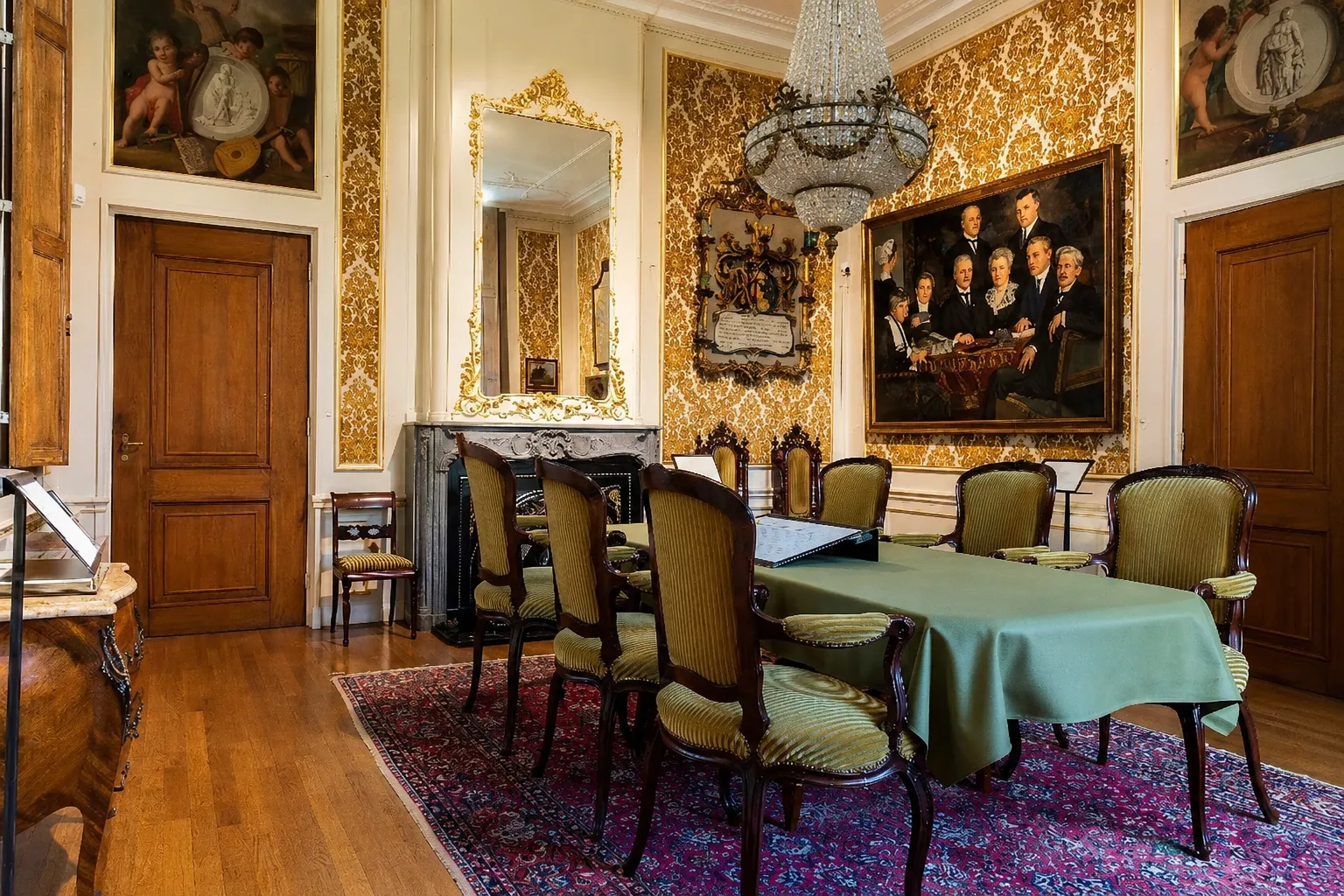
interior is decorated according to their own taste. Furthermore, the house has many period rooms, salons in
Neo-Louis XVI style, and the garden is designed as a symmetrical French formal garden. After Louisa
Holthuysen passed away in 1895, Willet-Holthuysen House was donated to the city of Amsterdam and has
served as a house museum ever since.
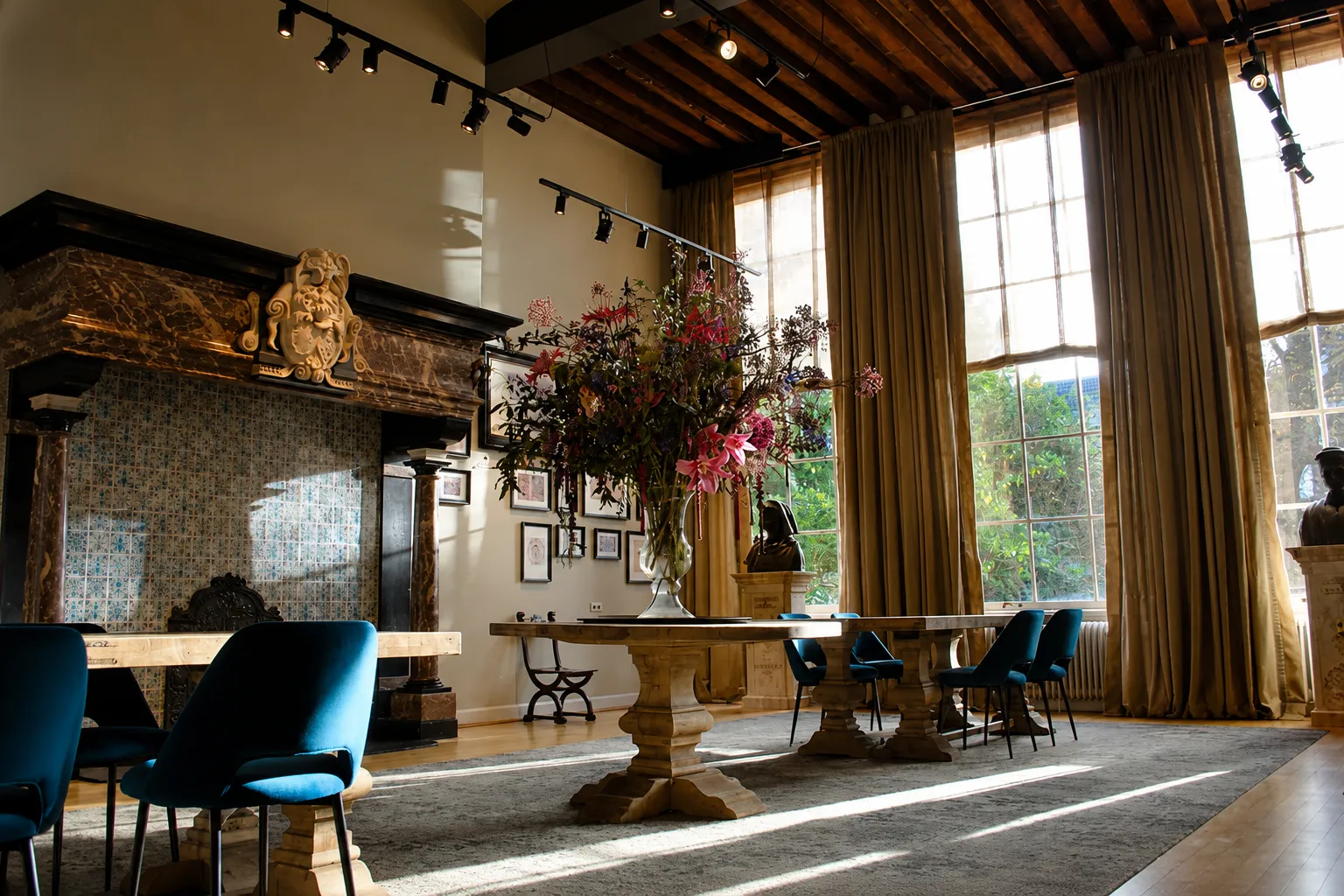
Huis Bartolotti was built around 1620 for the banker-merchant Willem Bartolotti van den Heuvel
and now functions as a house museum. The canal house was most likely built according to the design of
Hendrick de Keyser, a city stonemason from Amsterdam. Additionally, the facade is lavishly decorated with
(imaginative) sculptural ornaments.
At the time of construction, Huis Bartolotti was one of the largest merchant houses in the city of Amsterdam. In the middle of the
eighteenth century, a huge rear annex was even added, with the highlight being the large hall in
Rococo style.
Address: Herengracht 170, 1016 BP Amsterdam
Opening hours: Wed to Sun from 10:00 AM to 5:00 PM
Arjan Bronkhorst, Huis Bartolotti, Hendrick de Keyser
Houseboat Museum
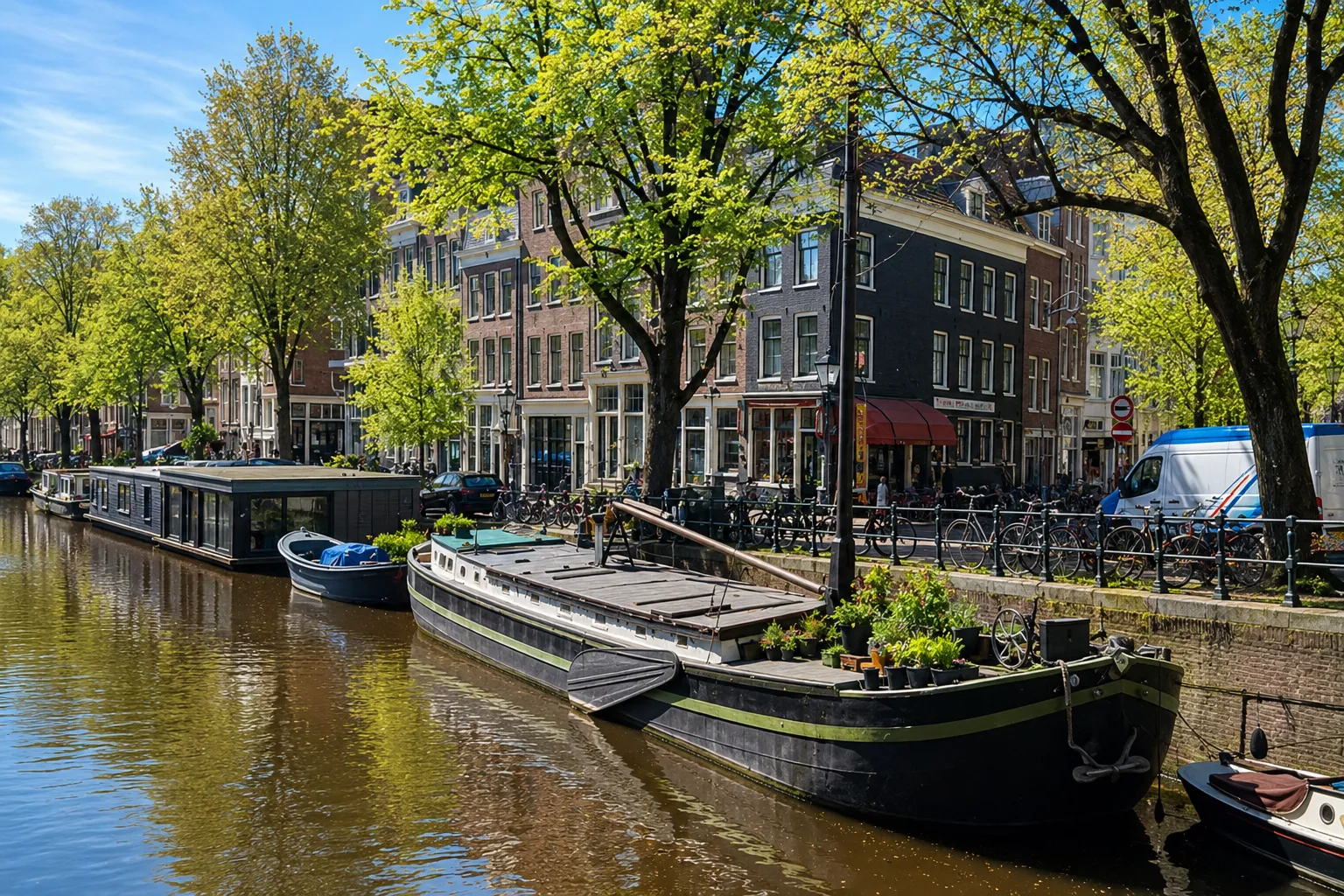
The Houseboat Museum was initiated in 1996 by Vincent van Loon. During your visit, you can experience for yourself
what it is like to live on a houseboat on one of the Amsterdam canals. The museum is located on the
"Hendrika Maria", a former freighter built in 1914. The former cargo hold is now furnished as a cozy
living space and equipped with all modern conveniences. You will be surprised how spacious and cozy it is on
board.
Address: Prinsengracht 296 K, 1016 HW Amsterdam
Opening hours: Mon to Fri from 10:00 AM to 5:00 PM
The Art Zoo Museum is an artistic ode to the animal world, right in the center of Amsterdam, in a
beautiful 17th-century canal house. The Cromhout Houses were built between 1660 and 1662 for merchant
Jacob Cromhout by Philips Vingboons, one of the most famous 17th-century architects.
The museum is filled with the taxidermy art of Darwin, Sinke & van Tongeren and gives the impression of
a large and artistic Wunderkammer. You will find the Art Zoo Museum just a few houses away from the
Museum of the Canals.
The Luther Museum Amsterdam is located in the Wittenberg building on the Nieuwe Keizersgracht. The building from
1772 is named after the place where Martin Luther proclaimed his theses on the reform of the
church at the time in 1517, which led to the Reformation. The building itself, with the regents' rooms, the
corridor, and the church hall, is the most important piece in the collection. The heritage collection further consists of
paintings by, among others, Breenbergh and Ruysdael, silver, and authentic pieces of furniture.
Address: Nieuwe Keizersgracht 570, 1018 VG Amsterdam
Opening hours: Tue to Sun from 11:00 AM to 5:00 PM
Rembrandt, the most important Dutch painter of the seventeenth century, moved in 1639 to the
monumental house at Jodenbreestraat 4 in the heart of Amsterdam. He lived here with his family for 19 years.
However, at the age of 52, he had to sell the house due to financial and private setbacks.
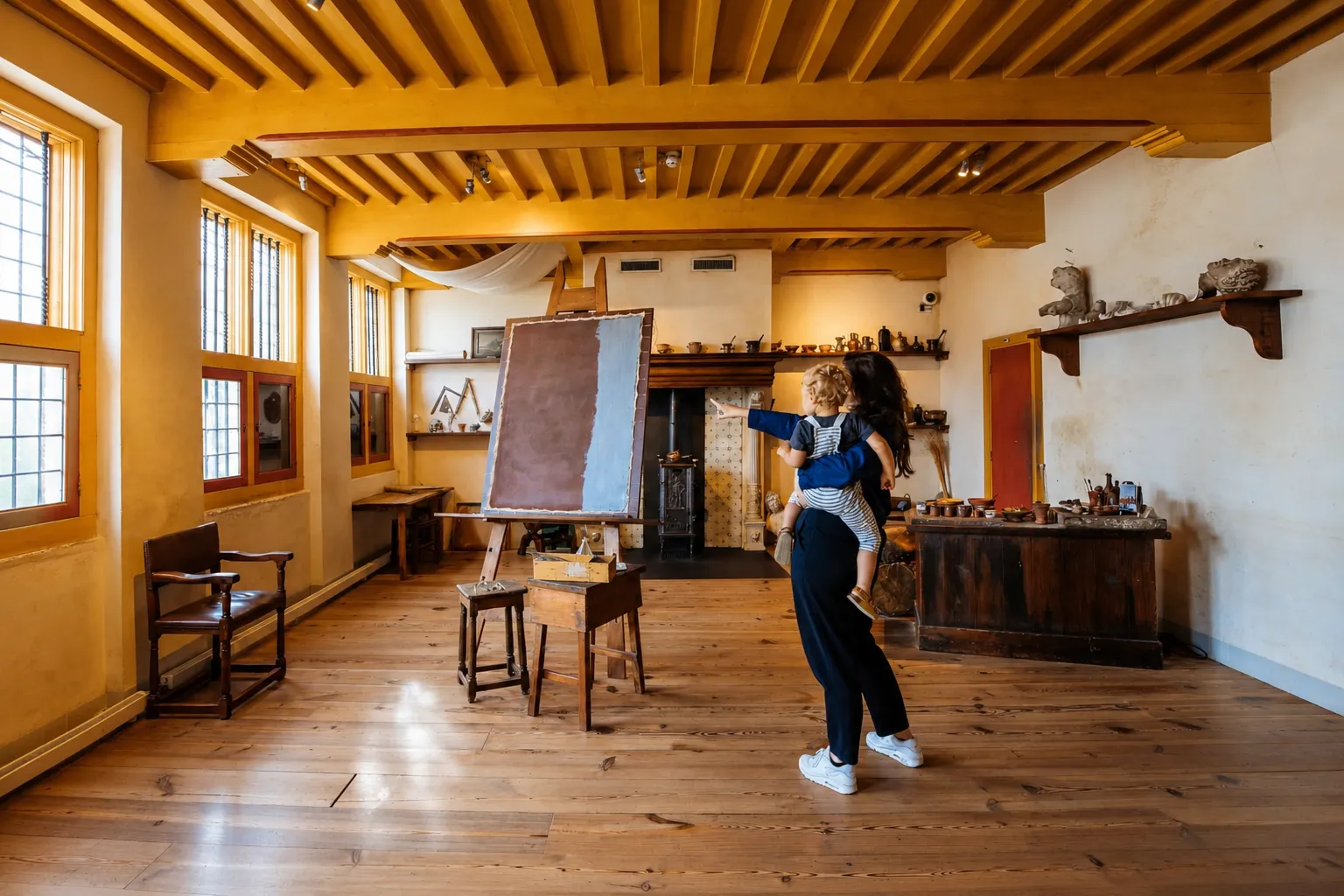
The house has now been restored to how it was during the time Rembrandt lived there. Only at the Rembrandt House
Museum can you experience how Rembrandt lived and worked in good times and bad.
In the Embassy of the Free Mind museum, you go on a journey of discovery through 2,000 years of collected wisdom through
the texts and images from the collection of the Bibliotheca Philosophica Hermetica. The museum is
located in the House with the Heads on the Keizersgracht. Commissioned by the wealthy stocking merchant and
art lover Nicolaas Sohier, the canal house was built in 1622. Furthermore, the canal house can be
recognized by the six decorations in the form of heads on the facade, which was designed by
city architect Hendrick de Keyser.
Address: Keizersgracht 123, 1015 CJ Amsterdam
Opening hours: Wed to Sat from 10:00 AM to 5:00 PM, Sunday from 11:00 AM to 6:00 PM
In 1667, two canal houses were built in the Golden Bend of the
Herengracht for the brothers Willem and Adriaen van Loon. In 1885, the window frames were replaced and T-windows were installed, which define the current
front view of the building. This makes the building stand out clearly.
After a series of impressive residents, the canal house at number 497 was purchased by the Herengracht 497
Foundation. The house was then fully renovated and furnished as the KattenKabinet (Cat Cabinet). Here, a most
complete picture is presented of the role the cat has played in art and culture throughout the centuries.
Address: Herengracht 497, 1017 BT Amsterdam
Opening hours: Tue to Sun from 12:00 PM to 5:00 PM
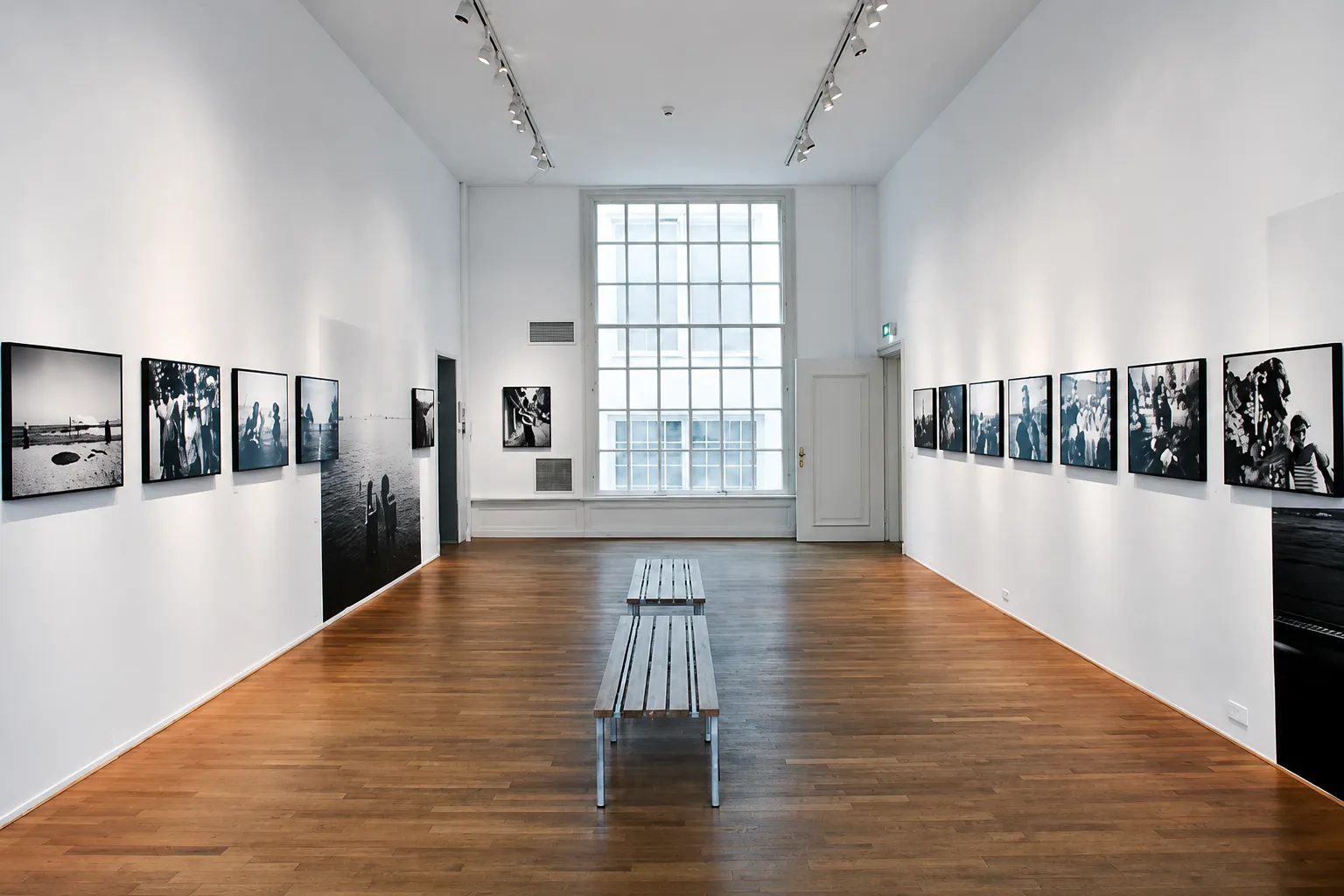
Huis Marseille is Amsterdam's first photography museum and is also located in two historic
seventeenth-century canal houses. Commissioned by the French merchant Isaac Fouquier, the house was built around
1665. On the facade, Fouquier had a stone placed with the map of the French
port city of Marseille.
Address: Keizersgracht 401, 1016 EK Amsterdam
Opening hours: Daily 10:00 AM to 6:00 PM. Thursday from 10:00 AM to 9:00 PM
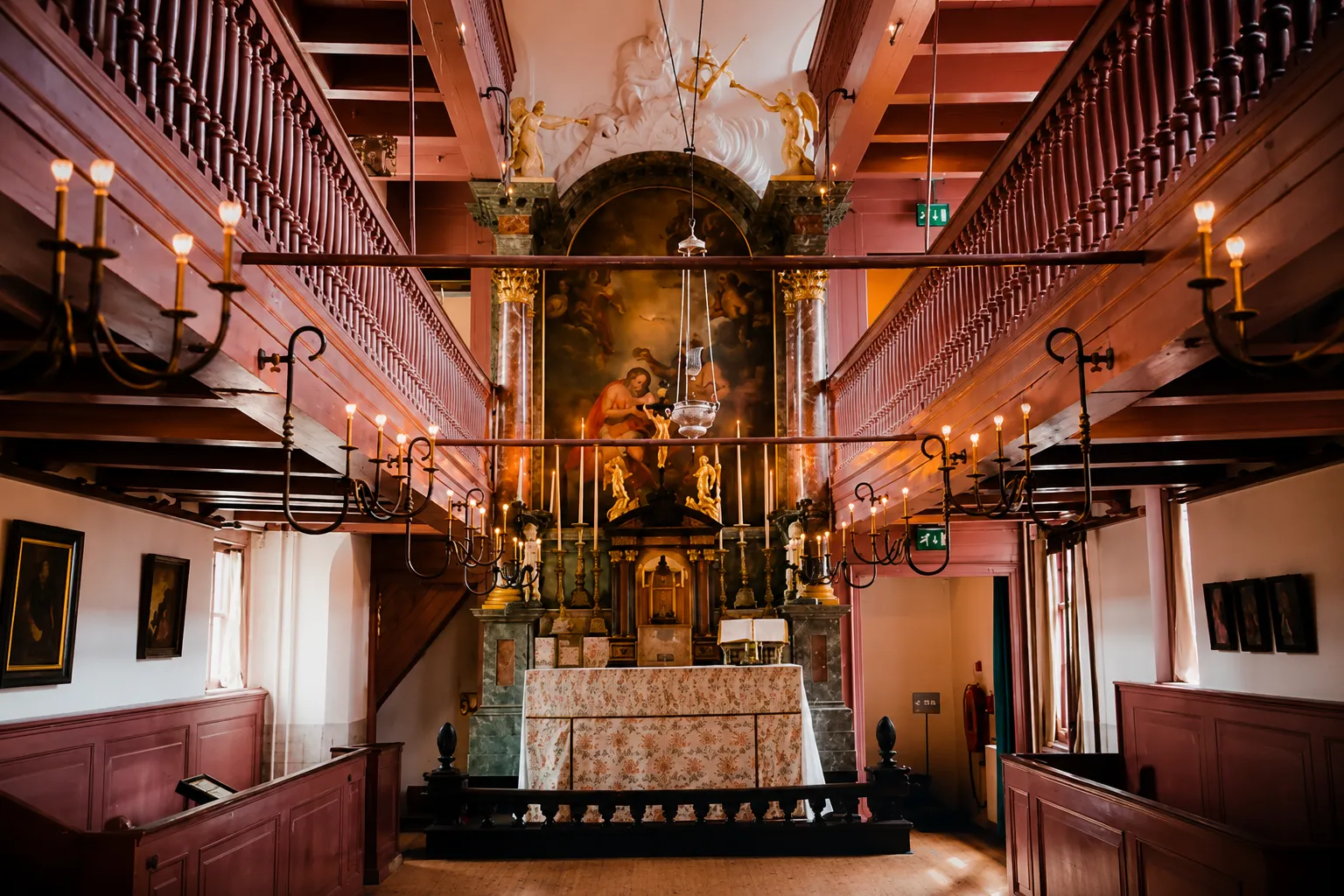
During the time when it was forbidden to express your Catholic faith in public, a complete church was built in the attic of a
canal house on the Oudezijds Voorburgwal. The church was named Het
Hart (The Heart), named after the builder Hartman.
In an exceptionally well-preserved canal house, you will hear the stories of merchants and priests
and see how they lived, worked, and practiced their faith in the seventeenth and later centuries.
Isabel Janssen, Our Lord in the Attic Museum, 2016
Amsterdam Pipe Museum
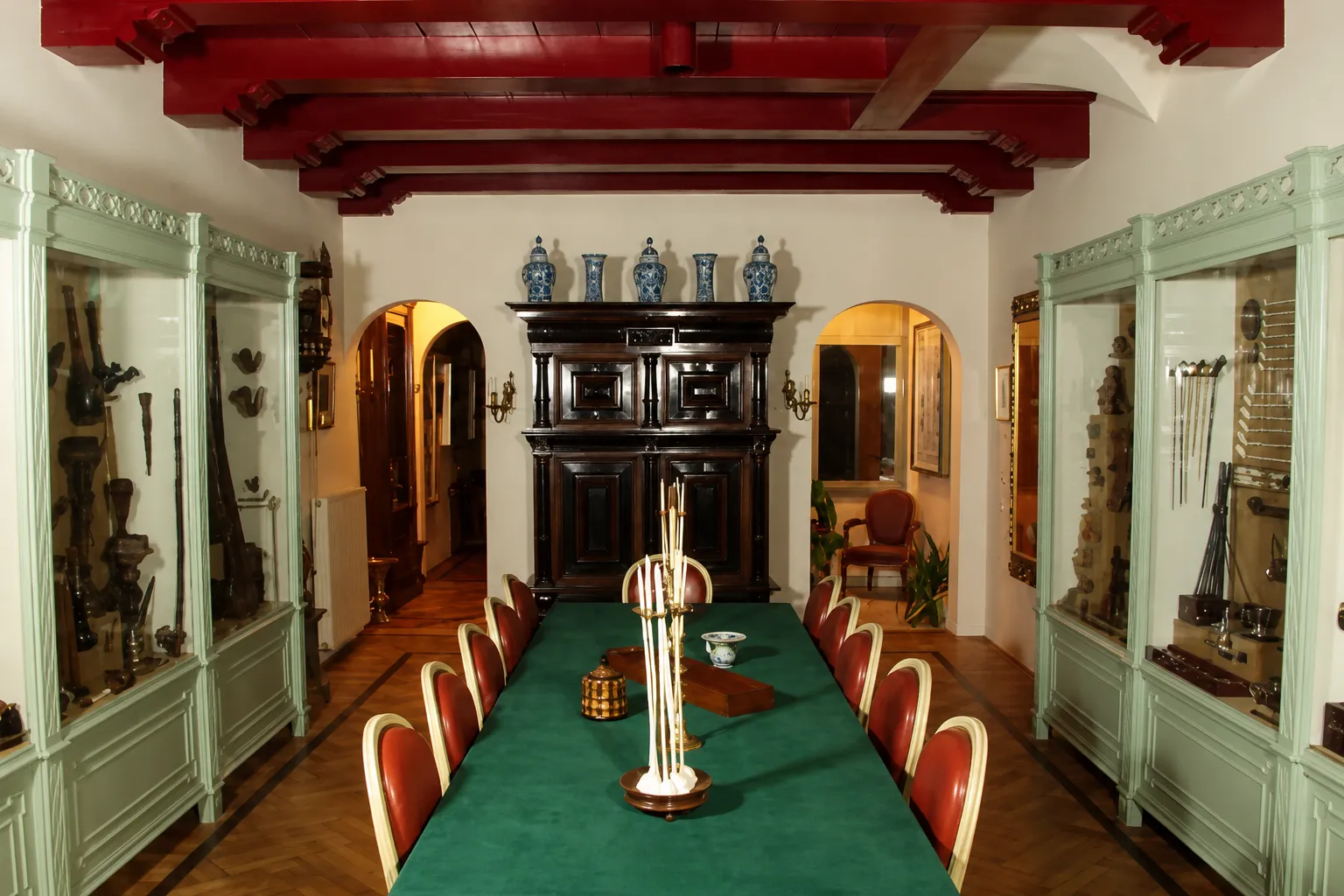
The Amsterdam Pipe Museum is a museum about the shapes, materials, design, and meaning of pipes from all
continents. Unlike the other house museums, the museum is located in a fairly inconspicuous canal house
on the Prinsengracht. The historic interior of the canal house from 1670 forms a
fitting backdrop for this collection.
Address: Prinsengracht 488, 1017 KH Amsterdam
Opening hours: Mon to Sat from 12:00 PM to 6:00 PM
FOAM is an international and versatile photography museum, located in the canal house Het Spook on the
Keizersgracht. The canal house was a seventeenth-century coach house with storage attics above it. In 1861
it was converted into a museum by architect Cornelis Outshoorn. Outshoorn had a sculpted
keystone with a decoration of a painter's palette and brushes placed on the facade.
Address: Keizersgracht 609, 1017 DS Amsterdam
Opening hours: Daily from 10:00 AM to 6:00 PM. Thursday and Friday from 10:00 AM
to 9:00 PM